Cut My Friend Gatherings from Stressful to Smooth: How a Nutrition App Made Sharing Meals Smarter
You know those weekend brunches or potlucks with friends that start with excitement but end in dietary dilemmas? “Can I eat this?” “What’s in it?” I’ve been there too—watching everyone enjoy food while I nervously checked labels. Then I found a simple app that changed everything. It didn’t just track nutrients—it helped me understand them, share better, and connect more. Now, meals with friends feel lighter, happier, and way more inclusive. Let me show you how this quiet tech upgrade made a big difference.
The Hidden Stress of Eating Together
There’s something deeply comforting about sharing a meal with friends. The laughter over steaming plates, the clink of glasses, the warmth of being together—it’s one of life’s simplest joys. But if you’ve ever had to navigate a menu with allergies, sensitivities, or personal health goals, you know how quickly that joy can turn into quiet stress. I used to dread gatherings, not because I didn’t want to be there, but because I never knew what I could safely eat. I’d smile and nod while secretly scanning ingredient lists or asking the host five questions about the salad dressing. And honestly? I didn’t want to be “that person.”
But here’s the truth: avoiding the conversation doesn’t make the problem go away. I once showed up to a summer barbecue with my own grilled veggies, only to realize the marinade on the chicken had soy—something I avoid. The host was kind, but I could see the confusion. She hadn’t meant to exclude me; she just didn’t know. That moment stayed with me. It wasn’t about blame—it was about awareness. We all want to feel included, and we all want to include others. But without the right tools, good intentions aren’t always enough. That’s when I realized I needed more than just willpower—I needed a smarter way to communicate my needs without making things awkward.
Discovering the App That Listens Like a Friend
I’ll admit, I wasn’t excited about trying another nutrition app. I’d downloaded a few before—most felt like digital report cards, judging me for every bite. But this one was different from the start. Instead of throwing numbers at me, it asked simple questions: What are you trying to avoid? What kind of energy do you want from your meals? Do you prefer plant-based, low sugar, or gluten-free options? It wasn’t cold or clinical. It felt like someone who actually wanted to help.
One of the first things I loved was how it explained ingredients in plain language. I’d scanned a packaged hummus and saw “modified starch” on the label. The app didn’t just list it—it told me, “This is often used to thicken foods and can come from corn, potatoes, or tapioca. If you’re avoiding corn, check the source.” Suddenly, I wasn’t guessing. I was learning. And over time, the app started to feel like it knew me. It remembered I skip dairy and suggested almond-based sauces when I searched for recipes. It noticed I logged energy crashes after sugary snacks and gently nudged me toward balanced options.
But the real game-changer? The ability to create a personal food profile and share it with friends. I could tap a button and send a simple, visual summary: “Here’s what I eat. Here’s what I avoid. No judgment, just clarity.” No more repeating myself at every gathering. No more feeling like a burden. It wasn’t about demanding special treatment—it was about making it easy for others to care, in their own way.
How the App Transformed Our Potluck Nights
Our monthly potlucks used to be a mix of excitement and anxiety. We’d all bring dishes, but no one really knew what was in them. Someone might bring a casserole with nuts, and three people at the table couldn’t eat it. Or there’d be five desserts and nothing fresh. It wasn’t anyone’s fault—we just didn’t have a system. Then I suggested we try using the app to plan one dinner. I showed the group how to upload a menu and tag ingredients. At first, they were skeptical. “Do we really need an app for food?” my friend Lisa joked. But within minutes, she was scanning her salad dressing bottle and laughing at the app’s feedback: “This has more sugar than your morning yogurt!”
We started small. One person created a shared event in the app and listed what they planned to bring. Others checked in and adjusted their dishes if needed. The app flagged potential issues—like two people bringing gluten-free items but one using a shared toaster at home, which could cause cross-contamination. It didn’t scold us. It just gave us the info to make better choices. We began using fun tags: 🌱 for plant-based, 🥜 for contains nuts, 🌿 for herbs-heavy. It made the process light, even playful.
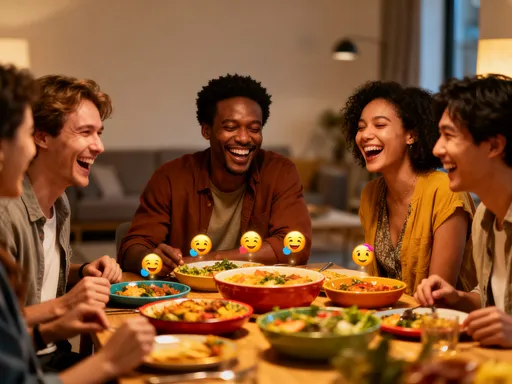
Last month, we had our most balanced meal yet: a lentil stew, a quinoa salad with roasted veggies, a dairy-free chocolate cake, and fresh fruit. No one felt left out. No one felt sick afterward. And the best part? We spent the whole evening talking, laughing, and reconnecting—not hovering near the kitchen, double-checking labels. The app didn’t take over our dinner. It just made space for us to enjoy it.
Building Understanding, One Meal at a Time
The most unexpected benefit wasn’t convenience—it was connection. Before, dietary needs often felt like invisible walls between us. My friend Sarah has celiac disease, but unless she reminded people, they’d assume gluten was fine. I’d skip wine because of sulfites, and others would tease me for being “picky.” But when we started using the app, something shifted. We could see each other’s preferences in a calm, neutral way—no guilt, no pressure. It wasn’t about policing food. It was about understanding.
Sarah told me, “For the first time, I don’t have to explain myself every time I go to someone’s house. The app does it for me.” That hit me hard. How many times had I assumed I knew what someone could eat, just because it was fine for me? How many times had I unintentionally made someone feel like their needs were an inconvenience? The app didn’t change our values—it revealed them. We all care. We just needed a better way to show it.
Now, when someone adds a dish, others might comment, “Love that you used coconut aminos—great swap!” or “I didn’t know you avoid nightshades. Thanks for teaching me.” It’s turned our meals into quiet moments of learning and appreciation. We’re not just feeding our bodies—we’re feeding our friendships.
Teaching Myself Without Feeling Overwhelmed
I never thought I’d say this, but I’ve actually started enjoying learning about nutrition. And it’s not because I’m suddenly a health expert—it’s because the app makes it feel natural, not overwhelming. After I log a meal, it sometimes shares a quick tip: “Did you know chickpeas are a complete protein? They contain all nine essential amino acids your body can’t make on its own.” Or: “Sweet potatoes have a lower glycemic index than white potatoes, which means they give you steady energy, not a spike.”
These aren’t long lectures. They’re bite-sized insights that stick. I started noticing patterns—like how I felt more alert after meals with protein and fiber, or how bloating often followed foods with hidden dairy. The app didn’t shame me. It empowered me. And that confidence spilled over into other areas. I began reading labels more confidently at the grocery store. I asked questions at restaurants without hesitation. I even helped my daughter understand why we keep certain foods at home.
What I love most is that the learning feels personal. It’s not about following a rigid diet. It’s about understanding my body and making choices that support how I want to feel. And when I share these insights with my friends, it’s not preachy—it’s practical. “Hey, I found this amazing tahini that’s nut-free and low sodium—want to try it next time?” We’re growing together, one small discovery at a time.
Making Group Planning Effortless
Planning a group meal used to mean endless text threads: “What should I bring?” “Is anyone allergic to shellfish?” “Does anyone mind if I make something spicy?” It was chaotic, and someone always forgot to reply. Now, we use the app’s shared meal board, and it’s changed everything. One person creates the event, lists the dishes, and invites others to join. Everyone adds what they’re bringing, and the app automatically scans for conflicts.
Last week, three of us planned a brunch. One friend uploaded her banana bread recipe, and the app flagged it: “Contains walnuts—notify guests with nut allergies.” She switched to sunflower seeds, and the alert disappeared. Another was bringing a frittata, and the app suggested, “Consider adding spinach or mushrooms for more fiber and volume.” We laughed—“Listen to the robot mom,” someone said—but we did it, and the dish was a hit.
The app also helps us balance the menu. It once gently noted, “Four dishes are high in carbs. Maybe add a fresh green salad or sliced cucumbers?” We took the hint and threw together a simple arugula salad with lemon vinaigrette. The result? A meal that felt satisfying without being heavy. No one was sluggish afterward. No one was searching for something they could eat. And the best part? We spent zero time stressing over logistics. The app handled the details so we could focus on being present.
More Than an App—A Shared Language for Care
Looking back, I realize this wasn’t just about food. It was about care. About showing up for each other in ways that matter. Before, dietary needs were often invisible, whispered about, or ignored. Now, they’re part of the conversation—in a kind, structured way. The app didn’t create our empathy. It gave us a way to express it.
We’ve started using it for more than potlucks. When one of us is going through a health challenge, we use the app to plan supportive meals. When someone’s trying a new eating style, we learn alongside them. It’s become a quiet symbol of how much we value each other—not just as friends, but as people with real, individual needs.
And honestly? Our dinners are better now. Not just healthier, but warmer. We talk more. We listen more. We laugh louder. The food is delicious, yes, but it’s the feeling around the table that’s truly changed. There’s less worry. More joy. More room for connection.
Technology doesn’t have to be flashy to be powerful. Sometimes, the best tools are the ones that help us be more human. This little app didn’t replace our friendships—it deepened them. It reminded me that caring isn’t always grand gestures. Sometimes, it’s as simple as knowing what’s in the sauce, and making sure everyone can enjoy it. And that? That’s the kind of tech I can truly get behind.