Why Acupuncture and Massage Might Be the Missing Piece in Your Health Routine
You’ve tried diets, workouts, and sleep tracking—but what if the key to better health lies in ancient practices backed by modern science? I’m talking about acupuncture and massage, not as spa luxuries, but as powerful tools for health optimization. Research shows they influence real physiological changes, from reducing inflammation to improving nervous system balance. Many women in their 30s, 40s, and 50s are discovering that despite eating well and staying active, they still feel fatigued, tense, or emotionally drained. The body sends signals—tight shoulders, restless nights, low energy—and these therapies respond directly. They don’t just soothe symptoms; they help recalibrate the body’s internal environment. For those seeking sustainable well-being, integrating these time-tested practices may be the next logical step.
The Hidden Gap in Modern Wellness
Modern wellness culture emphasizes visible metrics: calorie counts, step goals, mindfulness minutes. Yet, for many women balancing careers, family, and personal health, something still feels off. They eat clean, exercise regularly, and meditate, yet wake up tired, carry tension in their necks, or struggle with digestive discomfort. This persistent imbalance often stems from a deeper, overlooked issue: the body’s internal regulation systems are overwhelmed. Stress, whether from work, parenting, or daily life, doesn’t just affect mood—it alters physiology. Chronic activation of the sympathetic nervous system, the body’s “fight or flight” response, leads to elevated cortisol, reduced immune function, and poor recovery. These changes aren’t always visible on a scale or fitness tracker, but they show up in how you feel day to day.
Conventional wellness strategies often miss the physical dimension of stress storage. The body holds onto tension in muscles, fascia, and connective tissues, creating a cycle of discomfort and fatigue. Nutrition and exercise are essential, but they don’t directly address the nervous system’s need for restorative input. This is where body-based therapies like acupuncture and massage step in. They provide a form of physiological communication that signals safety to the body. Studies have shown that touch-based interventions can lower cortisol levels by up to 30% and increase levels of oxytocin, a hormone associated with calm and connection. These aren’t subtle effects—they reflect measurable shifts in the body’s biochemistry.
Another key marker affected by these therapies is heart rate variability (HRV), a well-established indicator of nervous system resilience. Higher HRV means the body can adapt more efficiently to stress and recover faster. Research published in the Journal of Alternative and Complementary Medicine found that regular massage therapy significantly improved HRV in adults with moderate stress levels. Similarly, acupuncture has been shown to enhance parasympathetic tone, the “rest and digest” state essential for healing and restoration. These findings suggest that wellness isn’t just about what you eat or how much you move—it’s also about how well your body can return to balance after disruption. For women navigating hormonal shifts, busy schedules, and emotional demands, this capacity for regulation is crucial.
Acupuncture: More Than Just Needles
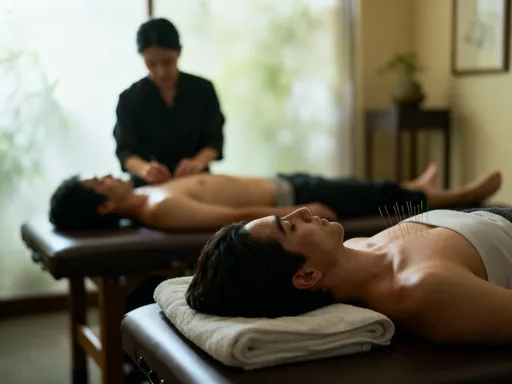
Acupuncture is often misunderstood as a mystical or painful practice, but modern science reveals it as a precise method of nervous system modulation. The insertion of fine, sterile needles at specific points on the body stimulates sensory nerves, which send signals to the brain and spinal cord. This stimulation triggers a cascade of physiological responses, including the release of endorphins, the body’s natural pain-relievers, and the activation of the parasympathetic nervous system. These changes are not imagined—they are measurable. Functional MRI studies have shown that acupuncture alters activity in brain regions associated with pain processing and emotional regulation, such as the amygdala and prefrontal cortex.
One of the most well-documented effects of acupuncture is its ability to reduce inflammation. Chronic low-grade inflammation is linked to a host of modern health issues, from fatigue to joint pain to poor sleep. A study published in Pain demonstrated that electroacupuncture—a form that uses a mild electrical current—significantly reduced levels of pro-inflammatory cytokines in animal models. While human studies are ongoing, clinical trials have shown improvements in conditions like chronic back pain, migraines, and fibromyalgia. These benefits are not immediate for everyone; acupuncture works cumulatively, much like building strength through exercise. Consistency matters—most people begin to notice changes after four to six weekly sessions.
Another important aspect of acupuncture is its role in pain modulation. The body has natural pain-control pathways, such as the descending inhibitory system, which can be activated by acupuncture. This means the treatment doesn’t just mask pain—it helps the body manage it more effectively. For women dealing with menstrual discomfort, joint stiffness, or tension headaches, this can be transformative. Additionally, acupuncture has been shown to improve sleep quality by regulating melatonin production and reducing nighttime cortisol spikes. Unlike sleep medications, it supports the body’s natural rhythms rather than overriding them. It’s not a cure-all, but for many, it fills a gap that medication and lifestyle changes alone cannot.
Massage Therapy: Beyond Relaxation
Massage is often seen as a treat—a indulgence after a long week—but research shows it has real, lasting health benefits. Far from being passive, therapeutic massage is an active intervention that influences muscle tone, circulation, and immune function. When a skilled practitioner applies pressure to soft tissues, it increases blood flow, delivering oxygen and nutrients while removing metabolic waste. This process supports muscle recovery and reduces soreness, making it especially valuable for those with sedentary lifestyles or repetitive strain from daily tasks. But the benefits go deeper than sore muscles.
One of the most compelling findings about massage is its effect on the immune system. A study from Cedars-Sinai Medical Center found that a single 45-minute Swedish massage session led to a significant decrease in cortisol and an increase in lymphocytes, white blood cells that play a key role in defending the body. Another study published in the Journal of Clinical Psychology showed that regular massage reduced anxiety levels by up to 50% in participants, with effects lasting beyond the session itself. These changes are not just psychological—they reflect a shift in the body’s stress response. When cortisol stays high, it suppresses immune activity and disrupts digestion, sleep, and hormonal balance. Massage helps break that cycle.
Massage also supports lymphatic drainage, a critical but often overlooked system for detoxification and fluid balance. The lymphatic system doesn’t have a pump like the heart; it relies on movement and muscle contraction to circulate. Manual therapy provides external stimulation that enhances lymph flow, reducing swelling and supporting immune surveillance. For women managing bloating, post-surgical recovery, or chronic fatigue, this can make a noticeable difference. Additionally, massage has been shown to lower levels of interleukin-6 (IL-6), a marker of systemic inflammation. Chronic elevation of IL-6 is associated with aging, metabolic dysfunction, and mood disorders. By reducing this marker, massage contributes to long-term health resilience.
How These Therapies Optimize the Nervous System
The nervous system is the command center of the body, regulating everything from heart rate to digestion to emotional state. When it’s stuck in overdrive—constantly responding to deadlines, family demands, or internal worries—health suffers. The autonomic nervous system has two main branches: the sympathetic (fight or flight) and the parasympathetic (rest and digest). In modern life, the sympathetic system often dominates, leading to shallow breathing, elevated heart rate, and poor recovery. Acupuncture and massage act as counterbalances, gently nudging the body back toward equilibrium.
Both therapies have been shown to improve heart rate variability (HRV), a key indicator of autonomic flexibility. High HRV means the body can smoothly transition between states—responding to stress and then recovering efficiently. Low HRV is linked to chronic stress, burnout, and increased risk of cardiovascular issues. A 2018 study in Autonomic Neuroscience found that participants who received regular acupuncture over eight weeks showed significant improvements in HRV compared to a control group. Similarly, massage therapy has been shown to slow heart rate, lower blood pressure, and increase respiratory sinus arrhythmia—a sign of healthy vagal tone. The vagus nerve, the longest cranial nerve, plays a central role in calming the body after stress.
These changes translate into real-life benefits: deeper sleep, improved digestion, and greater emotional stability. Many women report fewer nighttime awakenings, less bloating, and a greater sense of calm after starting regular sessions. This isn’t just about feeling good in the moment—it’s about building long-term resilience. When the nervous system is well-regulated, the body can allocate energy to healing, repair, and hormone balance rather than constant defense. For women in midlife, when hormonal fluctuations can amplify stress responses, this regulation is especially valuable. Acupuncture and massage don’t eliminate stress, but they help the body process it more effectively.
What the Research Really Says
While personal anecdotes are powerful, scientific evidence provides the foundation for trusting these therapies. A 2012 meta-analysis published in Archives of Internal Medicine reviewed nearly 18,000 patients and concluded that acupuncture is effective for chronic pain conditions, including back pain, neck pain, and osteoarthritis. The effects were not just placebo—real physiological changes were observed. Similarly, a 2010 review in the Journal of Clinical Psychology found that massage therapy significantly reduced anxiety and depression symptoms across multiple studies, with effects comparable to some conventional treatments.
For fatigue, a common complaint among women juggling multiple roles, acupuncture has shown promise. A randomized controlled trial published in Supportive Care in Cancer found that cancer survivors with persistent fatigue experienced significant improvement after receiving acupuncture, compared to those receiving usual care. While the study focused on a specific population, the mechanisms—improved sleep, reduced inflammation, better energy regulation—are relevant to many. Massage has also been studied for its impact on fatigue, with research showing reduced perceived exhaustion and improved vitality after regular sessions.
It’s important to note that results vary. Not everyone responds the same way, and these therapies are not substitutes for medical treatment. They work best as part of a comprehensive approach that includes proper nutrition, movement, and medical care when needed. The effect sizes in studies are generally moderate, meaning benefits are noticeable but not miraculous. However, when used consistently, they contribute to a cumulative improvement in well-being. The key is regularity—just as exercise builds strength over time, these therapies build resilience with repeated use.
Making It Work: A Practical Approach
Integrating acupuncture and massage into a busy life requires planning, but it doesn’t have to be complicated. The first step is to treat them as health investments, not indulgences. Start with a manageable schedule—once a week for four to six weeks—to assess how your body responds. Track changes in energy, sleep quality, mood, and physical comfort. Some women notice improvements after just one or two sessions, while others see gradual shifts over time. Keep a simple journal or use a wellness app to record observations.
When choosing a practitioner, look for licensed professionals with training in medical or clinical settings. For acupuncture, ensure the provider is certified by a recognized board and uses sterile, single-use needles. For massage, seek therapists trained in therapeutic techniques, not just relaxation. Many clinics offer package rates for multiple sessions, which can make regular visits more affordable. If cost is a concern, consider community acupuncture clinics, where treatments are provided in a group setting at lower prices. Some insurance plans also cover these services, especially if recommended by a physician for specific conditions.
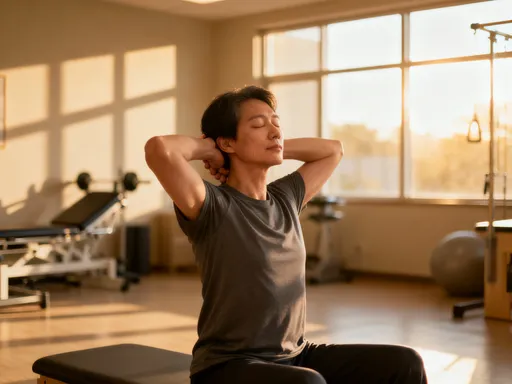
Combining these therapies with other healthy habits enhances their effects. For example, pairing massage with gentle stretching or yoga can prolong muscle relaxation. Receiving acupuncture while managing stress through mindfulness or deep breathing may amplify nervous system benefits. The goal is synergy—using multiple tools to support the same outcome. There’s no single right way to do this; experimentation is encouraged. Some women prefer alternating weeks, while others schedule both in the same week. The best approach is the one that fits your life and feels sustainable.
When to Consult a Professional
While acupuncture and massage are safe for most people, they are not one-size-fits-all solutions. Women with certain medical conditions—such as blood clotting disorders, severe osteoporosis, or active infections—should consult their healthcare provider before starting. Pregnant women can benefit from both therapies, but should seek practitioners trained in prenatal care to ensure safety. Those undergoing cancer treatment or managing chronic illnesses should coordinate with their medical team to integrate these therapies appropriately.
It’s also important to recognize when symptoms require medical evaluation. Persistent pain, unexplained fatigue, or sudden changes in health should not be self-treated with alternative therapies alone. Acupuncture and massage are complementary, not replacements, for diagnosis and treatment. A responsible approach means using them as part of a broader health strategy, not in isolation. This ensures that underlying conditions are not overlooked while still gaining the benefits of body-based care.
Working with licensed professionals who communicate with your primary care provider, when appropriate, supports a team-based model of health. Some integrative clinics offer coordinated care, where acupuncturists and massage therapists collaborate with physicians, physical therapists, and nutritionists. This level of integration ensures that care is safe, evidence-informed, and personalized. For women seeking optimal health, this collaborative approach offers the best of both worlds—modern medicine and time-tested healing practices working together.